Jade Name Meaning in Bible: Origin, Faith & Symbolism
The Jade Name Meaning in Bible is a name that comes from a green stone called jade. It means purity, wisdom, and protection. The name is special and shows that a child is precious and strong. Many parents choose it for its meaning and beauty.
Jade is a name full of charm and history. It makes people think of gemstones and God’s care. The name feels calm and gentle. Children with this name can carry faith and goodness everywhere they go.
The Jade Name Meaning in Bible links to spiritual values and biblical symbolism. It reminds us of God’s treasures and moral virtue. The name is easy to say and remember. Many families love it for its simplicity, beauty, and deep meaning.
What Does the Name Jade Mean
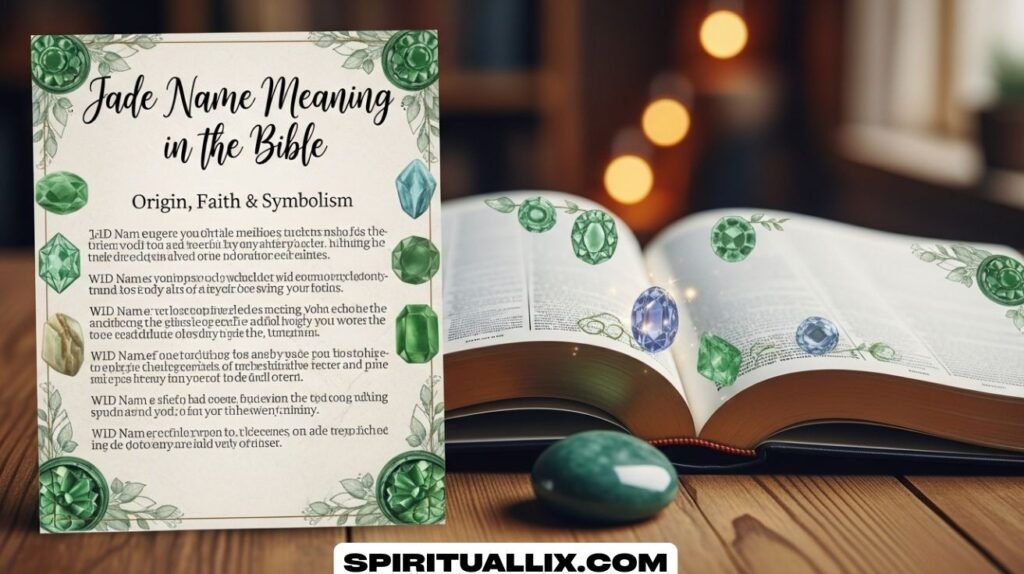
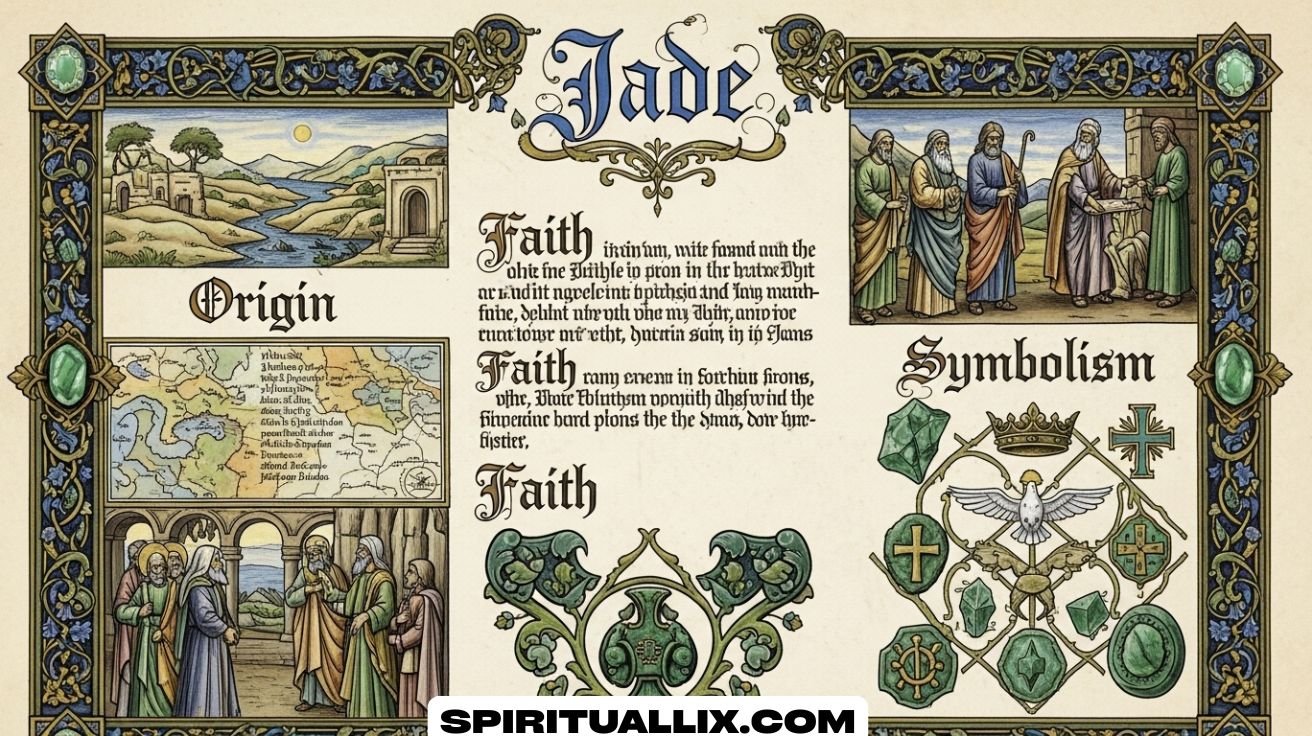
The Jade name meaning originates from the Spanish phrase piedra de ijada, which translates as “stone of the side.” Early explorers believed this precious green gemstone could cure kidney ailments and bring protection to the wearer. Today, the name Jade symbolizes purity and wisdom Jade, inner strength, harmony, and enduring beauty. In choosing the name, parents hope their child will embody the qualities of the gemstone: rare, strong, and full of grace.
In addition to its Spanish roots, the name Jade has been admired in many cultures for thousands of years. In Jade in Chinese culture, the stone represents moral integrity, spiritual clarity, and protection. Its cool green tones were treasured for evoking calmness, balance, and longevity. Naming a child Jade is often seen as a wish for a life filled with virtue, health, and protection and good fortune.
Jade Name Meaning and Its Historical Origins
The story of Jade as both a stone and a name spans continents and centuries. Spanish explorers first called it piedra de ijada after discovering it in the Americas. They believed the stone could heal physical ailments, especially those of the kidneys, and bring safety to those who carried it. This association of precious gemstone symbolism with strength and health eventually influenced its adoption as a given name in Western cultures.
In ancient China, Jade in Chinese culture held even deeper spiritual significance. For over 5,000 years, emperors and scholars revered jade as a bridge between heaven and earth. It symbolized purity, wisdom, virtue, and protection. Emperors wore jade ornaments as a connection to the divine, believing that it could preserve life and guide their decisions with moral clarity.
The adoption of Jade as a name in English-speaking countries became popular during the 1970s and 1980s, a time when parents were drawn to simple yet meaningful Biblical names for girls. Today, it continues to be a widely appreciated choice for its elegance, spiritual depth, and natural beauty.
Jade Name Meaning in Hebrew
Although the name Jade does not appear in Hebrew texts or biblical scripture directly, the concept of gemstones carries profound meaning in Hebrew tradition. In the Bible, gemstones adorned the High Priest’s breastplate, each representing one of the twelve tribes of Israel. This tradition shows the importance of Biblical gemstone meaning as symbols of divine order, protection, and Biblical virtues and purity.
For modern Jewish families, Jade represents a bridge between cultural heritage and contemporary naming. Its connection to universal values like integrity, righteousness, and divine purpose of names makes it an attractive choice. Using Jade as a name allows parents to combine spiritual depth with modern style while honoring traditions that celebrate moral virtue and wisdom.
Spiritual Meaning of the Name Jade
The spiritual meaning of Jade is rich and profound. Across centuries, jade has been considered a spiritual bridge between the earthly and heavenly realms. Many traditions see it as a stone that attracts protection and good fortune, fosters inner peace, and promotes balance in life.
In spiritual practices, Jade is often linked to heart chakra healing, helping the wearer cultivate love, compassion, and emotional harmony. It is believed to attract prosperity and abundance, aiding clarity in decision-making and fostering a calm, centered life. Parents who choose the name Jade hope that their child will grow with the same spiritual balance, grace, and protective energy associated with the gemstone.
Key spiritual qualities of Jade include:
| Quality | Meaning | Cultural Note |
| Heart chakra healing | Emotional balance, love, compassion | Used in meditation and spiritual rituals |
| Prosperity and abundance | Wealth, success, and opportunity | Eastern traditions often carry jade as a talisman |
| Wisdom and clarity | Decision-making with a pure heart | Emperors and scholars treasured jade for guidance |
| Protection from harm | Shielding against negativity | Carried by warriors and spiritual leaders |
| Dream enhancement | Deep sleep and prophetic dreams | Used in ancient Chinese rituals |
These qualities highlight why Jade continues to be a powerful and spiritual baby name.
Jade Name Meaning in Bible
While the name Jade itself is not mentioned in biblical scripture, its symbolism aligns closely with meaning of Jade in scripture and gemstone names in scripture. Gemstones often represented God’s treasured creation and His people. In the book of Revelation, twelve foundation stones adorned the walls of the New Jerusalem, each symbolizing perfection, purity, and divine glory.
Choosing the name Jade as a Christian baby name Jade reflects a modern expression of biblical values. Parents see their child as a rare and precious gift from God, echoing the timeless beauty of a gemstone hidden in the earth. Through this name, the child is reminded of their worth, spiritual purpose, and connection to divine love.
The Role of Jade as a Symbol of Purity in the Bible
Even though Jade is not specifically mentioned in the Bible, precious stones symbolize purity, holiness, and virtue throughout scripture. The white and green tones of jade mirror biblical themes of cleansing, renewal, and moral integrity. In Ezekiel, precious stones covered the Garden of Eden, representing the innocence and purity of God’s creation before sin.
By naming a child Jade, parents embrace the purity and wisdom Jade symbolizes. It is a prayer that their daughter will grow with a pure heart, integrity, and a life aligned with biblical virtues and purity. The name becomes both a reflection of spiritual aspiration and a daily reminder of God’s beauty in the world.
Jade Name Pronunciation
The name Jade is simple, clear, and elegant. It is pronounced JAYD, rhyming with “made” and “played.” Its single-syllable pronunciation makes it universally recognized and easy to say across the United States and other English-speaking countries.
The effortless pronunciation adds to Jade’s charm, making it a name that can stand alone confidently or pair beautifully as a middle name. Its simplicity reduces the need for constant corrections, a common benefit for parents choosing unique yet accessible Christian baby names Jade.
See Also : Colton Name Meaning in Bible: Origin & Popularity
Jade Name Meaning in Different Cultures

The beauty of Jade transcends cultures and traditions. In Chinese culture, jade has been treasured for over 5,000 years as a symbol of virtue, moral integrity, and Jade stone symbolism. Spanish culture gave the name itself, inspired by the stone’s healing power, calling it piedra de ijada.
In Maori tradition in New Zealand, jade, known as pounamu, is considered a sacred treasure passed through generations, representing strength and spiritual guidance. Mayan civilizations valued jade as a royal gem associated with life, fertility, and divine connection. In Western countries like the US, UK, and Canada, Jade has become a name trend for girls, symbolizing elegance, simplicity, and natural beauty. Korean culture sees Jade as representing noble character and gentle strength.
| Culture | Meaning & Symbolism | Notes |
| Chinese | Purity, wisdom, immortality | Most precious stone; moral integrity |
| Spanish | Stone of the side, healing power | Early explorers named it for health benefits |
| Maori (New Zealand) | Sacred treasure | Passed through families; represents strength |
| Mayan | Divine stone, royal gem | Ceremonial use; fertility and life |
| Western (US/UK/Canada) | Precious gemstone, natural beauty | Modern baby name trend |
| Korean | Noble character | Symbol of gentle strength and refined personality |
This wide cultural significance emphasizes Jade’s universal appeal as a name rich with meaning.
Popularity of the Name Jade: A Trend Across Generations
Jade emerged as a popular baby name in the 1960s, reaching its peak in the 1990s and early 2000s. Parents were drawn to its simple elegance, natural beauty, and meaningful ancient gemstone meanings. Today, Jade remains a classic choice, consistently ranking in the top 100 girls’ names in the United States, UK, and Canada.
Its enduring appeal reflects both tradition and modernity. Jade combines historical depth, spiritual symbolism, and aesthetic beauty, making it a name that grows in significance over time. For parents searching for spiritual baby names with lasting charm, Jade remains a top choice.
Common Nicknames for Jade
Although Jade is already short and easy to pronounce, many families create affectionate nicknames to make it feel even more personal. Popular variations include Jadey, Jadie, Jay, Jae-Jae, JJ, and Jade-Bug. Some parents choose meaningful alternatives like Precious or Gem to reflect the precious gemstone symbolism behind the name. These nicknames provide warmth, intimacy, and personal identity while preserving the elegance of the original name.
Similar Names
Names similar to Jade often share connections with gemstones, nature, or virtue. Ruby, Pearl, Amber, Ivy, Sage, Skye, Ember, Willow, Opal, and Luna all evoke beauty, strength, or wisdom. These alternatives are popular among parents seeking names with spiritual or natural resonance and can complement the Jade biblical significance in modern naming traditions.
Sibling Name
Choosing complementary names for siblings can create harmony in a family. For a child named Jade, good sibling names include River, Phoenix, Rowan, Jasper, Sierra, Kai, Ivy, Forrest, Ocean, and Stone. These names share themes of nature, strength, or spiritual significance, reflecting balance and thoughtful naming practices.
Famous People Named Jade and Their Impact
Several well-known figures have carried the name Jade with distinction. Jade Thirlwall rose to fame as a member of Little Mix, inspiring millions through her voice and advocacy for body positivity. Jade Jagger, daughter of Mick Jagger, became a renowned jewelry designer, transforming her name into a symbol of creativity and artistic vision. These famous people named Jade demonstrate the name’s potential for confidence, influence, and lasting cultural impact.
The Spiritual Power Behind the Name Jade
The spiritual meaning of Jade goes beyond beauty. For centuries, the gemstone has symbolized balance, protection, and harmony, connecting the earthly and divine. Parents choosing Jade often see their child as a symbol of grace, moral strength, and inner peace. The name carries an energy that fosters heart chakra healing and emotional clarity in life’s journey.
Jade is believed to attract prosperity and abundance, while warding off negative energy. Its gentle green hue reflects purity and wisdom Jade, offering calmness and clarity. By naming a child Jade, parents embrace the hope that she will grow with spiritual guidance, resilience, and a heart aligned with love, virtue, and the protective symbolism of this sacred gemstone.
Jade Name Meaning in Different Religious Traditions
While the Jade Name Meaning in Bible is not explicit, gemstones hold great biblical significance. In scripture, stones symbolize God’s treasured people, spiritual perfection, and divine beauty. Jade, though unnamed, shares these themes. Christian parents often choose it as a modern expression of faith, reflecting biblical virtues and purity and connecting their child to sacred traditions and divine protection.
Across cultures, Jade represents purity, virtue, and immortality. In Jade in Chinese culture, it symbolizes moral integrity and spiritual guidance. Western families appreciate its elegance and timeless charm, while Maori traditions see jade as a sacred heirloom. By bridging cultures and religions, Jade becomes a universal name, resonating with spiritual baby names, protection, and harmony across generations.
The Historical Journey of the Name Jade
The Name Jade origin traces back to the Spanish term piedra de ijada, meaning “stone of the side.” Spanish explorers believed the stone had healing powers, especially for kidney ailments. Over time, Jade’s association with strength, beauty, and precious gemstone symbolism transformed it into a beloved given name across Western countries during the 1970s and 80s.
In ancient China, jade’s value surpassed gold. Emperors wore jade for divine protection, spiritual guidance, and connection to the heavens. Revered for thousands of years, it symbolized purity, wisdom, and moral virtue. Naming a child Jade honors this long history, embedding both ancient gemstone meanings and spiritual symbolism into the identity of the next generation.
See Also : Peyton Name Meaning in the Bible: Origin & Faith Insight
Biblical Gemstones and Jade Symbolism
Though Jade itself is not named in scripture, the meaning of Jade in scripture aligns with biblical gemstone symbolism. Precious stones like jasper and emerald represented God’s glory, eternal beauty, and divine order. The green and white hues of Jade reflect purity and wisdom Jade, illustrating moral integrity and spiritual refinement valued in Christian teachings.
In Revelation, gemstones adorned the walls of the New Jerusalem, symbolizing heavenly perfection. Choosing Jade as a Christian baby name Jade honors these biblical ideals, reminding parents and children alike that each person is a precious gift of God. The name embodies both spiritual significance and timeless elegance, bridging the gap between scripture and modern culture.
Jade Name Meaning in Hebrew and Jewish Traditions

Jade does not appear directly in Hebrew texts, but gemstone names in scripture carry deep meaning. The High Priest’s breastplate used twelve stones to represent Israel’s tribes, emphasizing biblical virtues and purity. Modern Jewish parents embrace Jade for its universal beauty, combining spiritual symbolism with contemporary naming trends for girls.
The name also connects to Hebrew values like righteousness and integrity, echoing the moral symbolism of jade as a precious, enduring stone. Choosing Jade as a name honors both heritage and faith, making it a meaningful choice for parents seeking spiritual baby names with historical and ethical depth.
Jade as a Symbol of Purity and Harmony
Jade symbolism in Bible reflects purity, holiness, and moral clarity. Its soft green tones evoke harmony and balance meaning, connecting the wearer to spiritual refinement and emotional stability. Parents choosing Jade hope their children will carry these qualities throughout life, embodying honesty, love, and compassion while walking in integrity.
In scripture, gemstones like jasper and emerald represent divine perfection, spiritual protection, and God’s treasured creation. Naming a child Jade captures this symbolism, linking the physical beauty of the stone to the divine purpose of names, instilling a sense of worth, sacredness, and moral strength from an early age.
Pronunciation and Universal Appeal of Jade
Jade is simple, clear, and universally understood. Pronounced JAYD, it rhymes with “made” and “played,” making it accessible across English-speaking countries. Its short, elegant sound contributes to its popularity as a Christian baby name Jade, ensuring clarity and avoiding common mispronunciations.
The effortless pronunciation also allows Jade to pair beautifully with first or middle names. Families worldwide adopt the name for its precious gemstone symbolism and straightforward charm. Its universality reflects timeless appeal, allowing Jade to be both unique and culturally versatile while maintaining its spiritual and aesthetic significance.
Jade Name Meaning Across Cultures
In Jade in Chinese culture, the stone represents virtue, purity, and spiritual guidance. Spanish explorers named it piedra de ijada, associating it with healing and strength. Maori culture considers jade, or pounamu, a sacred treasure passed through generations, symbolizing family, protection, and resilience.
Western traditions appreciate Jade as an elegant and meaningful name for girls. Its associations with ancient gemstone meanings and protection and good fortune have contributed to its enduring popularity. Across cultures, Jade is a name that balances beauty, morality, and spiritual depth, making it a universal symbol of biblical gemstone meaning.
Popularity and Modern Trends of the Name Jade
The name Jade rose to popularity in the 1960s, peaking in the 1990s and early 2000s. In the US, UK, and Canada, it continues to rank among the top baby girl names. Its timeless charm reflects a blend of simplicity, elegance, and meaningful biblical significance.
Modern parents choose Jade not only for its aesthetic beauty but also for the spiritual meaning of Jade embedded in its history. With connections to biblical names for girls, gemstone symbolism, and ancient traditions, Jade remains a popular choice for those seeking a name with both elegance and deep cultural resonance.
Famous People Named Jade and Their Influence
Several famous people named Jade have brought prominence and cultural weight to the name. Jade Thirlwall, a singer from Little Mix, inspires millions through her talent and advocacy for body positivity. Jade Jagger, daughter of Mick Jagger, became an influential jewelry designer, transforming her name into a brand associated with creativity and elegance.
These examples illustrate the name’s power to carry both personal and professional success. Naming a child Jade can reflect aspirations for confidence, talent, and grace. The name connects beauty, strength, and spiritual baby names ideals, showing that Jade is both culturally significant and timelessly inspiring.
FAQs
What does jade mean in the Bible?
Jade is not specifically mentioned in the Bible, but its symbolism of purity, value, and protection aligns with biblical gemstone meaning and God’s treasured creation.
What is the meaning of the name jade?
The name Jade means “stone of the side” from Spanish origins and symbolizes purity, wisdom, harmony, and inner strength.
What does jade mean in Hebrew?
Jade has no direct Hebrew origin, but it reflects values of righteousness, integrity, and moral virtue found in biblical gemstones.
What does jade mean spiritually?
Spiritually, Jade represents balance, harmony, protection, and heart chakra healing, attracting positive energy and inner peace.
Conclusion
The Jade Name Meaning in Bible shows that the name is very special. It comes from a green stone called jade. People see jade as a symbol of purity, wisdom, and protection. Parents who choose this name give their child a gift full of meaning. The name helps children feel strong, balanced, and loved. It also connects them to spiritual values.
Jade has a long history in many cultures. In the Bible, gemstones show God’s care and the value of His people. Naming a child Jade reminds everyone of biblical virtues and purity. The name is easy to say and has a calm, gentle sound. Jade stands for beauty, faith, and inner strength, making it a name that lasts forever.